How Much For A Wet Room Installation
Do Wet Rooms Leak
So long as your bathroom is redone from the flooring upwards and the installation is done by a professional, your wetroom will be able to function no matter what sort of house you live in. However, it is important to note that you’ll need a slanted shower drain to allow water to go down, and you’ll need to waterproof (tanking) the entire room. Choose the best materials for your budget – you really don’t want to cut corners, as this could lead to expensive repair costs later down the line.
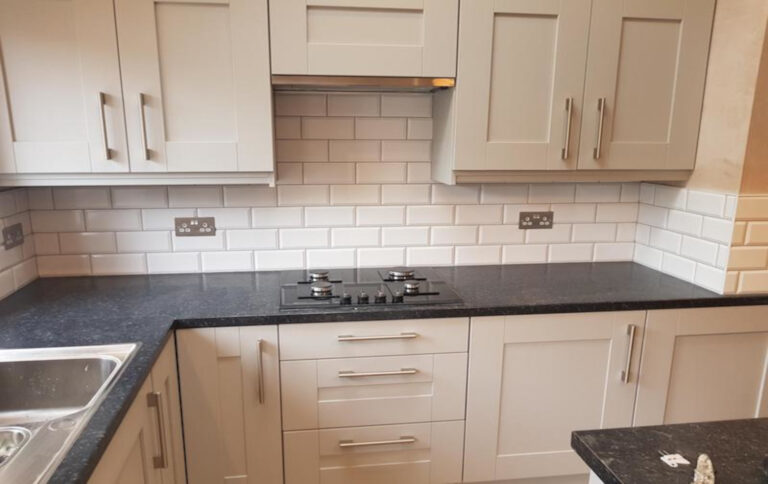
Cost Of Having A Wet Room Installed
Any size bathroom can be converted into a wet room, but if your bathroom is on the smaller side, you need to think about protecting your toilet paper, toiletries and towel from getting sprayed. In a small bathroom, we recommend installing a divider panel, or for greater protection without losing the accessibility of a wet room, our large shower sliding doors provide a useful compromise.
Wet Room Flooring Installers Near Me
Whilst work is being done turning your bathroom into a wet room, you will need a place to shower, go to the toilet and do everything else you normally do in the bathroom. It’s a good idea to understand and plan for all sorts of issues as you prepare for a week or two of work. The installation of a wet room can take anywhere from 4 days to two weeks – this again depends on the size of the wetroom and the additional features you wish to implement.
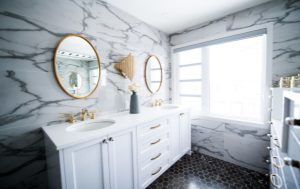
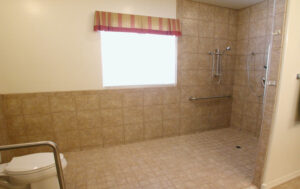
Wet Room Fitter
We have tilers who are available to hire in any area of Leeds for any kind of tiling job. They are able to install any type of tile including all-natural stone and marble, granites slates ceramics, porcelain, and slates. Our services are available for commercial and domestic projects. A well-designed kitchen can improve the value of your house. Our skilled tilers in Leeds offer high-quality, unique tiling services for floor, wall, and kitchen.
Bathroom Wet Room Installation
It is best to choose non-porous ceramic tiles or sheet vinyl when choosing tiles. Stone tiles such as granite and marble will need to be sealed every few months in order to remain waterproof. Underfloor heating is a great option. It not only makes the floor look amazing in winter but also allows for drying out after showering. Effective ventilation is essential for bathroom installation due to the high levels of moisture in the air. An extraction system that pulls moisture from the room and vents it outside should be your goal. Depending on the location of your bathroom, which type of bathroom ventilation fan do you need?
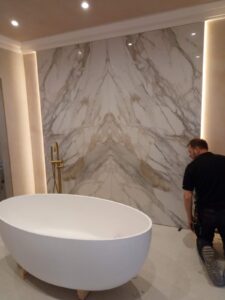
Tiling Wet Room Walls
Tile covers are not waterproof. Water can seep into grouted joints where it flows over tiles or pools. It is important to keep moisture out of showers and we rooms. This can lead to dampness and structural damage. Before tiled, wet rooms should be properly 'tanked'. There are many 'tanking products that you can choose from.
Kitchen Tiler Leeds
You can convert any size bathroom into a wet area. However, if you have a smaller bathroom, it is important to protect your towels, toiletries, and toilet paper from being sprayed. We recommend that you install a divider panel in a small bathroom. If you want to provide greater protection but still have the convenience of a wet area, then our large sliding shower doors are a good compromise.
How hard is it to tile a bathroom shower?
Tiling a shower by yourself can be especially hard. If you're able to keep the shower pan in place, it will remain an overall straight-forward project for the most part. You can build up a shower pan by scratch using tile and mortar. Or, you could even use a ready-made fibreglass pan.
How do you tile a wetroom floor?
Tiling your wet room floor You can do this by applying flexible tile adhesive along the edges of all the walls where they meet the floor. In the corners, apply joining tape to create a watertight seal. Once you have placed the tape, you can apply a small amount of tiling adhesive to set them in place.
Is there a difference between floor and wall tile?
Floor tile is made thicker and harder to withstand foot traffic, appliances, furniture, etc. And most have added texture to reduce the risk of slips. Wall tile tends to be thinner, smoother and more delicate. It's also much slicker when it's wet, which is why wall tile is not recommended underfoot.
What do you put behind shower tiles?
Install cement board or an equivalent moisture-resistant backing material on walls behind tub and shower enclosures composed of tile or panel assemblies with caulked joints. Don't use paper-faced backer board, i.e., paper-faced drywall, behind seamed tub and shower enclosures.