Wet Room Drain Installation
Best Wet Room Installers Near Me
In a wet area, drainage and waterproofing are crucial. Because there may be more water than usual in a room, it is important to waterproof the entire area. To ensure that water flows towards the drain, the floor must be sloped. The walls surrounding the shower and the lower portion of the walls in the wet area should also be waterproof.
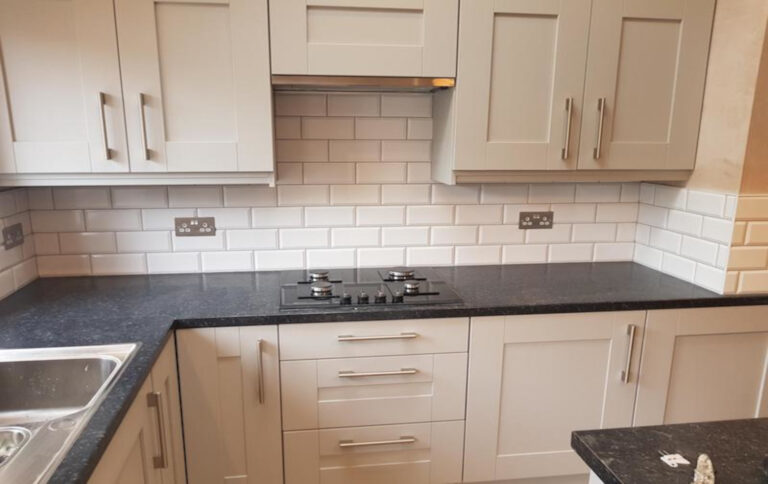
Tiling Wet Room Shower Tray
Underfloor heating helps to keep every part of your new room dry, whilst providing warmth for your feet that is especially great on those cold winter mornings. It can be installed under all different types of flooring – from wood to tiles and carpet. Underfloor heating mats are the likely best choice. They’re easy to install and heat up faster than the alternative wet systems. Again, this is something that you don’t want to cheap out on, as you won’t have a thermostat or effective heating solution by doing so. Wet underfloor heating systems are connected to your central heating system, so you’ll need a plumber to hook everything up correctly.
How Much Does A Wet Room Cost To Install
If you have difficulty with mobility or a small bathroom, getting a wet room installed can be a great idea to improve your general wellbeing, whilst adding value to your home. They’re easy to clean, and guide rails can be installed in the shower area for the elderly or those who struggle with movement. Your wet room can be designed around your wants and needs. Fittings, fixtures and other materials can be chosen and customised depending on what style you’re looking for. Following your wet room installation, walking into your bathroom, you’ll feel like royalty as you step into and out of the shower. You can add additional fixtures and features such as underfloor warming, and more expensive materials and furnishings than your average bathroom space.
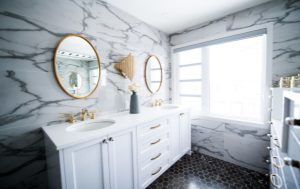
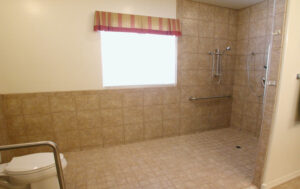
Wet Room Bathroom Installers
Waterproofing and drainage is incredibly important in a wet room. The entire room needs to be waterproofed as even though there will be more water in some areas than others, you don’t have the same separation of wet and dry areas as a regular bathroom. The floor needs to be on a gradient so that all the water is directed towards the drain, and the walls around the shower area and the lower half of the walls around the rest of the wet room need to be waterproof too.
Building A Wet Room Shower
It can be expensive to install a wetroom, which includes labour costs per day. These costs can be expensive, but they could end up being worth it in the long-term, when you consider how much your home could increase in value. Many home buyers consider a wet room an advantage because it is modern, functional, and attractive. If you are looking to sell your home, this will make it very attractive to potential buyers. To get a better understanding about the benefits and drawbacks of a wetroom, read our post on wetroom advantages and disadvantages.
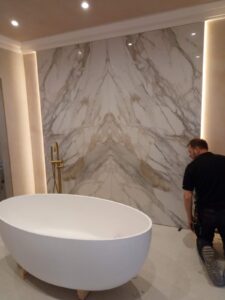
Wet Room Shower Screen Installation
Tiling in bathrooms requires extra preparation to the areas that regularly get wet. Tiles and grout are not 100% waterproof and do allow a very small amount of water to pass through, so to combat this a waterproof tanking system must be used in vulnerable areas such as in shower cubicles and around bath tubs. Bathrooms are also prone to humidity, so it's best to avoid using plywood or plasterboard or any other moisture sensitive boards to tile on. A cement based board such as Hardibacker is the recommended choice for tiling onto.
Wet Room Tiling Ideas
There are several factors that will affect the total cost of tiling your bathroom. The first is the area that you choose to tile. The most expensive option is to tile the whole room; tiling the floors and the walls top to bottom. The cheapest option is to just tile above the sink. The next consideration is the material that the tiles are made from. There is a big difference between the cost of vinyl tiles and natural stone tiles. The size and shape of the room will have a large impact on the cost of not only materials but also labour. The more the tiles have to be cut, the more difficult and thus, expensive the job. Because there are so many factors that affect the price, you will have a lot of decisions to make. When making your decision remember that the bulk of the cost comes from the labour, as tiling can be a fiddly job to get right.
How hard is it to tile a bathroom shower?
Tiling a shower by yourself can be especially hard. If you're able to keep the shower pan in place, it will remain an overall straight-forward project for the most part. You can build up a shower pan by scratch using tile and mortar. Or, you could even use a ready-made fibreglass pan.
How do you tile a wetroom floor?
Tiling your wet room floor You can do this by applying flexible tile adhesive along the edges of all the walls where they meet the floor. In the corners, apply joining tape to create a watertight seal. Once you have placed the tape, you can apply a small amount of tiling adhesive to set them in place.
Is a wet room more expensive?
Yes, usually a wet room will cost upwards of 20% more than a standard bathroom. Mainly, this is because of the waterproofing (tanking) process that is a necessity with wet rooms.
Do wet rooms need to be fully tiled?
A wet room will require the flooring and walls to be waterproofed and fully tiled – a job for a professional builder or plumber to complete. Many will consider underfloor heating fittings for wet rooms as well, helping the space to dry out quicker and negating the need for bulkier radiators or heated towel rails.